
Counseling support for veterans and first responders in Columbia
By David Reyes · Updated 2026-07-15
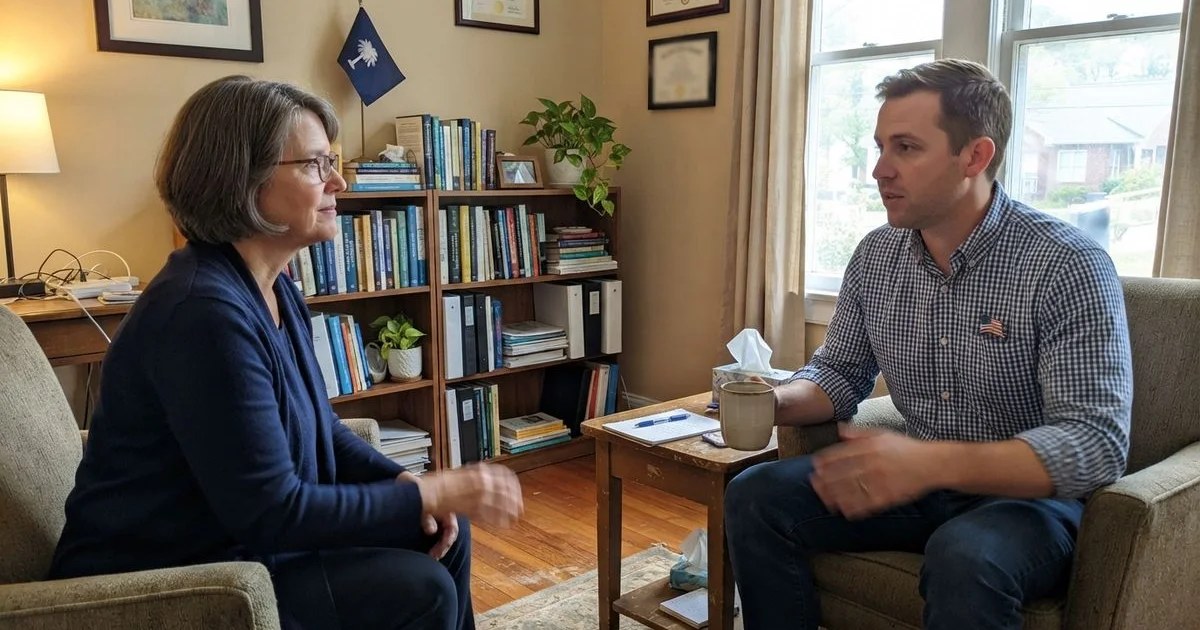
Veterans and first responders often carry job-related stress that’s genuinely different from a typical civilian workload, and the paths to support look a little different too. Here’s what’s specifically built for this population, separate from general private-practice counseling, and what to weigh when deciding between them.
For veterans
VA health benefits generally cover outpatient mental health counseling, and many veterans can access care at a Vet Center specifically, which focuses on military-related readjustment, combat stress, and family concerns related to service. A meaningful benefit of Vet Centers is that eligibility for many of their services doesn’t require a service-connected disability rating, which surprises some veterans who assume they don’t qualify.
Beyond VA-connected care, some private practice counselors specialize in military and veteran populations, which can matter if you’re looking for someone who already understands service-specific context without needing it explained from scratch.
For first responders
Police, fire, EMS, and dispatch work carries repeated exposure to trauma that builds up differently than a single difficult event. A few paths worth knowing about:
- Peer support programs. Many departments have trained peers, often fellow officers or firefighters, who provide informal, confidential first-line support and can help connect someone to formal counseling.
- Department-contracted counselors. Some departments contract with outside counselors specifically so sessions stay separate from internal HR or fitness-for-duty processes. Confidentiality protections vary, so it’s worth asking directly what applies in your department.
- Employee Assistance Programs (EAP). Many departments offer a set number of free counseling sessions through an EAP benefit, sometimes through a provider not directly affiliated with the department at all.
| Resource | Best for |
|---|---|
| VA health benefits and Vet Centers | Veterans seeking ongoing, service-connected mental health support |
| Peer support programs | First responders wanting an informal first conversation before formal counseling |
| Department-contracted counselors | First responders wanting confidentiality separate from department oversight |
| Employee Assistance Programs | Quick, low-barrier access to a limited number of free sessions |
For a fuller picture of free and low-cost paths beyond work or VA benefits, our guide on free and low-cost counseling options in Columbia covers sliding-scale and community options that are open to anyone.
Confidentiality concerns are common, and reasonable
A frequent hesitation among both veterans and first responders is worry about how seeking help might be perceived or recorded. This concern is worth taking seriously rather than dismissing. Asking directly, before your first appointment, how a specific program handles confidentiality and whether it connects to any evaluation process is a reasonable and common question, not a sign of paranoia.
Finding a counselor who understands the context
A counselor who’s worked with veterans or first responders before will generally already understand things that would otherwise take a while to explain: shift work, chain of command, the culture around not showing weakness, and the specific kind of exposure the job involves. That familiarity can shorten the early sessions considerably, since you’re not starting by explaining the basic context of your work before getting to the actual concern. When comparing providers, it’s reasonable to ask directly about their experience with your specific population rather than assuming general trauma training covers it.
What families can do
Family members often notice changes, like sleep problems or growing irritability, before the veteran or first responder themselves is ready to name it. If that’s your situation, many of the same peer support and department resources extend to spouses and family members, and some counselors specialize specifically in supporting families of people in these roles. Raising a concern gently and without ultimatums tends to open the door further than pushing hard for an immediate appointment.
Starting the conversation
You don’t need a crisis to justify reaching out. Persistent sleep problems, irritability that’s affecting your relationships, or simply feeling worn down by the accumulation of the job are all legitimate reasons to look into support, whether that starts with a peer, a VA counselor, or a private practice provider experienced with this population. Waiting until things feel unbearable isn’t a requirement, and most people who’ve gone through these programs say they wish they’d started sooner rather than later.
Columbia SC Counselor Guide lists local providers, including those experienced with veteran and first responder populations, evaluated using our scoring method, so you can find a fit that understands the specifics of the job before you make that first call.
FAQ
- Does the VA cover mental health counseling for veterans?
- Yes. VA health benefits generally include outpatient mental health counseling, and many veterans are also eligible for care at Vet Centers, which offer counseling specifically for military-related readjustment, combat stress, and related concerns, often without a service-connected disability rating being required.
- Can a first responder get counseling without it affecting their job status?
- Many departments contract with counselors specifically to keep this confidential and separate from fitness-for-duty evaluations. It's worth asking your department or union directly what protections apply before assuming counseling will be visible to your employer.
- Do I need a specific diagnosis to use veteran or first responder-focused counseling?
- No. Many of these programs are built for anyone dealing with the stress of the job or service, not only those with a formal diagnosis. General stress, sleep problems, and relationship strain are common, valid reasons to reach out.
- Is peer support a substitute for professional counseling?
- Peer support programs are valuable and often a good complement, but they're generally not a replacement for licensed mental health treatment when a real clinical concern is present. Many veterans and first responders use both together.