
Warning signs of a mental health crisis, and what to do
By David Reyes · Updated 2026-06-24
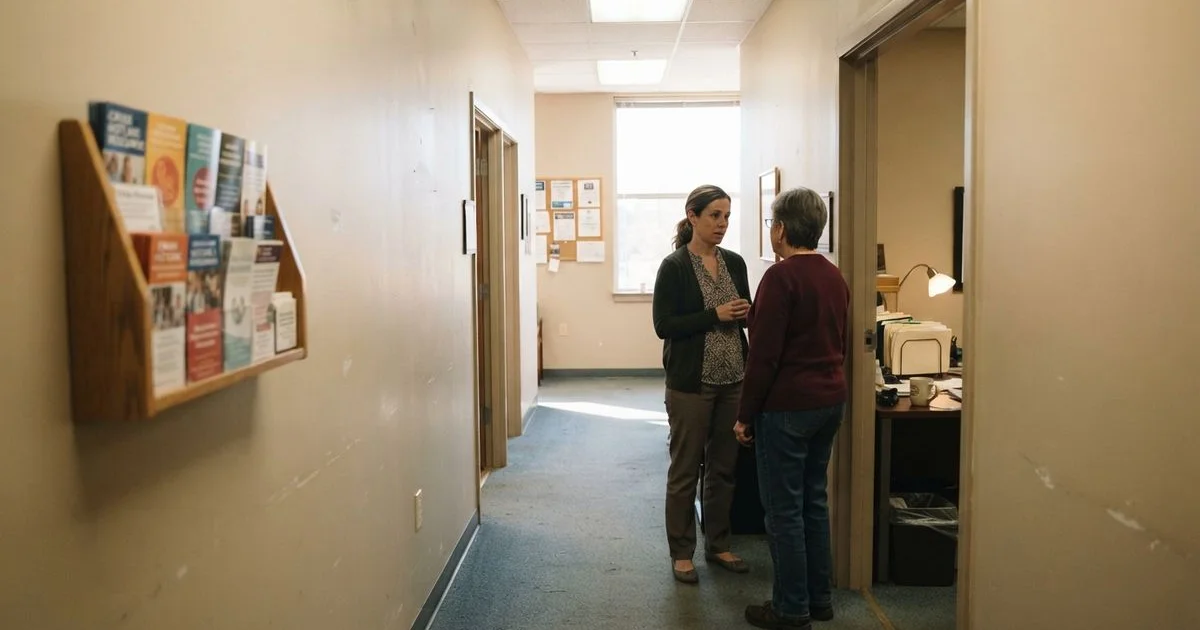
A mental health crisis rarely looks like the dramatic version people picture. More often it’s a sharp, sudden shift in someone’s ability to think clearly or stay safe. Recognizing it early, in yourself or someone else, changes what happens next.
This is general safety information, not a substitute for emergency care. If someone is in immediate danger, call 911 or go to the nearest emergency room.
Signs of a developing crisis
- Talking about wanting to die, disappear, or not wake up
- Giving away possessions or saying goodbye in a way that feels final
- A sudden, unexplained calm after a period of severe distress
- Inability to complete basic daily tasks: eating, sleeping, personal care
- Losing touch with reality: hearing things others don’t, believing things that aren’t true
- Extreme agitation, rage, or recklessness that’s out of character
- Increased use of alcohol or drugs as a way to cope
Any one of these is worth taking seriously. Several together, especially talk of self-harm or death, mean it’s time to act rather than wait and see.
Urgent vs emergency: how to tell the difference
| Situation | What it usually means | What to do |
|---|---|---|
| Serious distress, but the person is safe right now | Urgent, not immediately life-threatening | Call or text 988 for guidance on next steps |
| Active talk of suicide, self-harm, or harming someone else | Emergency | Call 911 or go to the nearest emergency room |
| A break from reality, or being unable to keep themselves safe | Emergency | Call 911 or go to the nearest emergency room |
| Ongoing decline over days or weeks without an acute risk | Serious, worth prompt attention | Contact a counselor or psychiatrist as soon as possible |
When in doubt, treat it as more urgent rather than less. Crisis lines and emergency staff are equipped to help you figure out the right level of response even if it turns out less serious than feared.
Recognizing a crisis in someone who hides it well
Not everyone in crisis looks visibly distressed. Some people become unusually calm, organized, or even upbeat right before or during a crisis, particularly if they’ve reached a decision about self-harm. Others mask distress well in front of certain people while struggling badly when alone. If something feels different or off about a person you know well, even without an obvious explanation, it’s worth checking in directly rather than assuming things are fine because they seem composed.
How to actually ask the question
Many people worry that asking directly about suicide will plant the idea or make things worse. It doesn’t. Asking clearly and calmly, “Are you thinking about suicide?” or “Are you thinking about hurting yourself?” tends to bring relief rather than harm, since it gives the person permission to be honest instead of guessing whether it’s safe to bring up. Avoid vague versions like “You’re not thinking of doing anything stupid, are you?” which can shut the conversation down instead of opening it.
What to do in the moment
- Stay with the person if it’s safe to do so, or make sure someone else can.
- Remove access to means of harm where possible, including medications and weapons.
- Call or text 988 for guidance, or 911 if there’s immediate danger.
- Avoid arguing about whether their feelings are rational. Focus on safety first.
- Follow the guidance of crisis responders or emergency staff on next steps.
After the crisis passes
A crisis, once it’s stabilized, usually points to a need for ongoing support rather than a single fix. Following up with a counselor or psychiatrist within a few days helps prevent the same situation from repeating. If the person doesn’t already have a provider, this is often the moment to find one, even if it feels like the hardest time to start looking. Some hospitals and crisis services can help arrange that first follow-up appointment directly before discharge, so it’s worth asking before leaving the ER or crisis center.
Once things are stable, Columbia SC Counselor Guide can help you find a local provider who specializes in the kind of ongoing support that follows a crisis, using our published scoring method to compare options.
FAQ
- What number should I call in a mental health emergency in the US?
- Call or text 988 to reach the Suicide and Crisis Lifeline, available around the clock. If there's immediate danger to someone's life, call 911 or go to the nearest emergency room instead.
- What's the difference between a mental health crisis and a bad day?
- A crisis usually involves a sudden, sharp change: thoughts of self-harm, an inability to function or stay safe, or a break from reality. A bad day is distressing but the person can still generally think clearly and keep themselves safe.
- Should I call 911 or take someone to the ER for a mental health crisis?
- If someone is in immediate danger of harming themselves or others, call 911 or go to the nearest emergency room. If the situation is serious but not immediately life-threatening, 988 can help you figure out the right next step, including whether an ER visit is needed.
- What should I do after the immediate crisis has passed?
- Follow up with a counselor or psychiatrist as soon as possible, ideally within a few days. A crisis often signals a need for ongoing support, not just a single emergency response.